
The Significance of Digital Outcrop Modelling in the Energy Transition
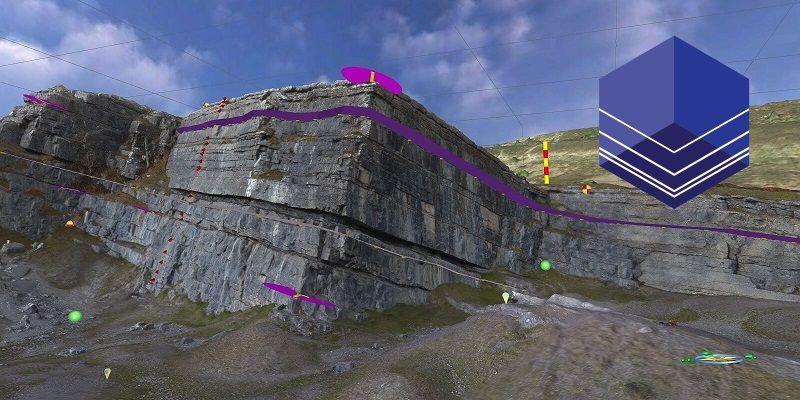
In the ongoing energy transition, geology and digital outcrop modelling will play a critical role in our quest for sustainable and efficient energy solutions. A detailed understanding of geological outcrop analogues is vital for driving the transition towards a cleaner and greener future.
The Significance of Digital Outcrop Modelling in the Energy Transition
Introduction
This article explores the importance of digital outcrop modelling in various aspects of the energy transition, including carbon capture and storage, sustainable mining practices, geothermal energy, maximising the utilisation of existing hydrocarbon reserves, and geological disposal facilities for nuclear waste.
Carbon Capture and Storage (CCS)
One of the primary challenges in the energy transition is mitigating the effects of carbon dioxide (CO2) emissions on the environment. Carbon capture and storage (CCS) technologies have emerged as a potential solution to reduce CO2 emissions from industrial processes. Successful implementation of CCS requires the safe and effective storage of CO2 in subsurface reservoirs. Digital outcrop modelling plays a crucial role in this process by providing a comprehensive understanding of the hosting rocks, their properties, and potential leakage risks. By accurately characterising subsurface reservoirs, we can mitigate the risks associated with CO2 leakage and ensure the long-term effectiveness of CCS initiatives.
Sustainable Mining Practices
As we transition to new energy technologies, the demand for raw materials such as lithium, cobalt, and rare earth elements has increased significantly. If we are to meet this demand sustainably, it is imperative to adopt responsible and environmentally friendly mining practices. Digital outcrop modelling enables us to better understand the geological control of the distribution of these valuable resources. By optimising mining processes through the use of digital models, we can minimise environmental impacts, reduce waste generation, and enhance the efficiency of raw material extraction, thus supporting the energy transition.
Geothermal Energy
Geothermal energy has immense potential as a renewable energy source. It utilises the Earth's natural heat from subsurface reservoirs to generate electricity and provide heating and cooling solutions. However, the successful utilisation of geothermal energy depends on a thorough understanding of subsurface temperatures and fluid flow through geological reservoirs. Digital outcrop modelling helps characterise subsurface geological heterogeneity (which directly impacts fluid flow), identify suitable locations for geothermal installations, and optimise the design of geothermal systems. By harnessing the power of digital outcrop modelling, we can unlock the full potential of geothermal energy and further accelerate the energy transition.
Maximising Utilisation of Existing Hydrocarbon Reserves
While the world is transitioning towards cleaner energy sources, existing hydrocarbon reserves continue to play a significant role in meeting global energy demands. To minimise the need for future exploration and reduce the environmental impact of hydrocarbon extraction, maximising the utilisation of existing reserves is crucial. Digital outcrop modelling aids in the accurate assessment of subsurface reservoirs, facilitating enhanced oil recovery techniques and improving hydrocarbon production efficiency. By optimising production from existing reserves, we can extend their lifespan, reduce the carbon footprint, and bridge the gap during the energy transition.
Geological Disposal Facilities for Nuclear Waste
Nuclear power will play and central role in the future global energy mix. The safe disposal of nuclear waste is a paramount concern for the energy transition. Geological disposal facilities (GDFs) provide a long-term solution for isolating and containing radioactive waste deep underground. Digital outcrop modelling plays a significant role in assessing and characterising potential GDF sites. It helps to understand the geological properties, stability, and containment capabilities of the subsurface formations. By utilising digital models, scientists and engineers can evaluate the suitability of candidate sites, assess the long-term behaviour of the geological formations, and design robust containment strategies. Digital outcrop modelling ensures the safe storage of nuclear waste, minimising the potential for environmental contamination and contributing to the overall success of the energy transition.
Conclusion
Digital outcrop modelling is a vital tool in driving the energy transition towards a sustainable future. From ensuring the safe storage of CO2 in subsurface reservoirs to facilitating sustainable mining practices, optimising geothermal energy utilisation, maximising hydrocarbon reserves, and assessing geological disposal facilities for nuclear waste, digital outcrop modelling provides valuable insights into subsurface geological structures. As we strive for cleaner and more efficient energy solutions, the comprehensive understanding gained through digital outcrop modelling will enable us to make informed decisions, minimise environmental impacts, and accelerate the transition to a more sustainable energy landscape.