4 Years of VRGeoscience
When I started my programming journey on my Commodore VIC 20, I had a childhood dream of running my own software company. Finally, that’s come to fruition – and it’s AWESOME!

It is coming up to 4 years since the foundation of VRGeoscience Limited. I thought I would share some of my experiences of that time. My venture with the company started with a 2-year career break from academia, starting during the first COVID lockdown. After a subsequent short return to academia, the decision to leave to dedicate myself fully to VRGeoscience Limited was quite easy.
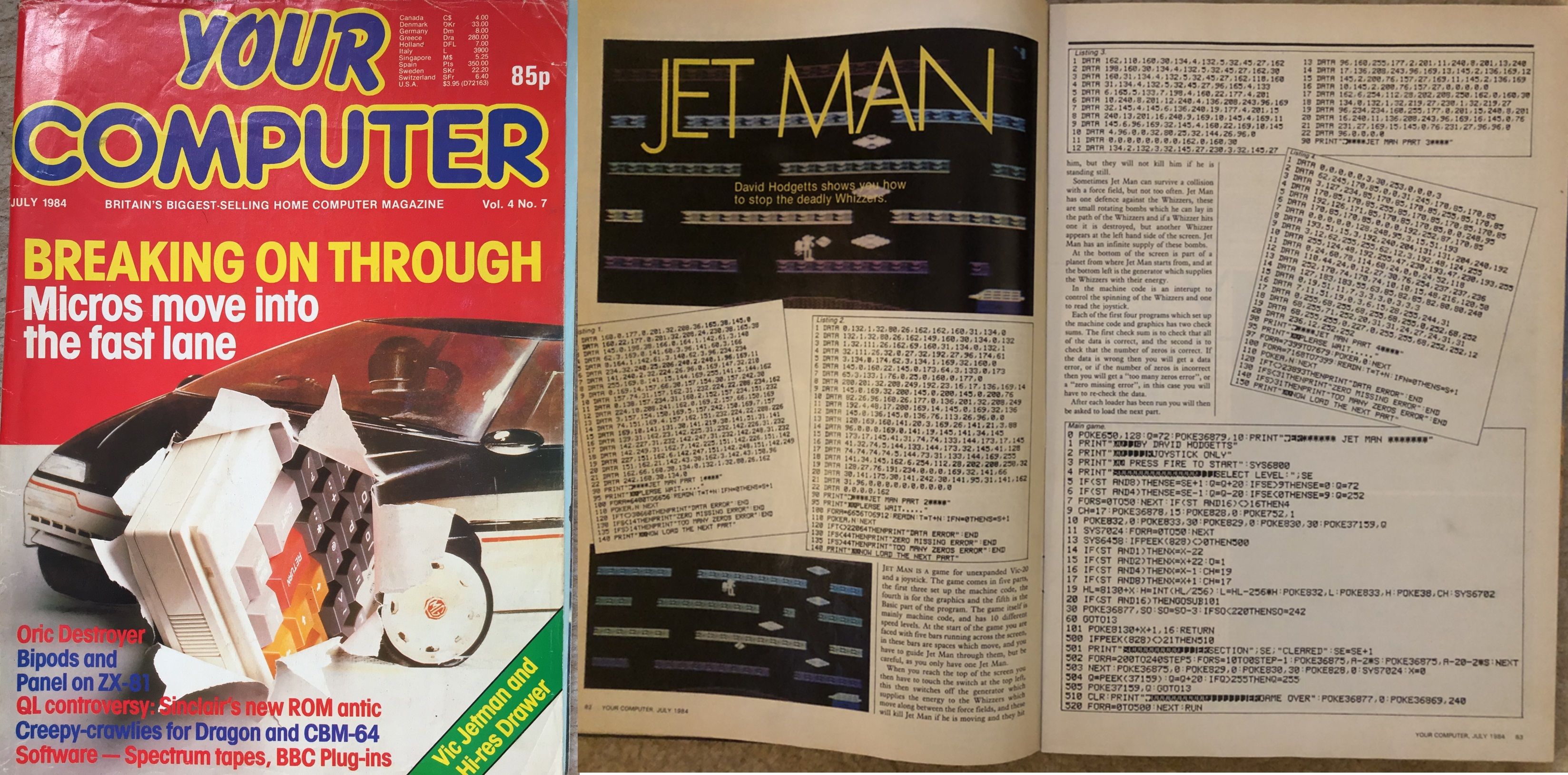
My journey into the crossover between geology and computing started early. I loved visiting the Wren’s Nest Hill back in the Midlands where I grew up, and I loved programming. I had a Commodore VIC20 and had a few games published in ‘Your Computer’ magazine. This was an incredibly powerful learning experience, using BASIC then later Assembly Language to write games.
Using assembly language taught me how to break problems down into simple steps as the instruction set was so small. I then did A-level geology, followed by a Geology degree from Durham University (with a subsidiary in computer science). Next was a Computing in Earth Sciences Masters at Keele University (a programme way ahead of its time) where I stayed on to do a PhD in the field of Geodynamics. After a few years at the University of Liverpool as a postdoc working on geocellular modelling of outcrop data, I took a lectureship at Manchester University to teach reservoir modelling (among other subjects).
I started planning the creation of a company a couple of years before the inauguration of VRGeoscience, focussing any spare time I had on researching how to run tech companies. This involved listening to many podcasts on my commute and reading lots of books. One of the most useful books for me was the DevOps handbook. I used many of the ideas outlined in this book to guide how I ran company operations. As there was just me, and I needed to do everything, then any approaches to improve productivity were welcome. One of the lessons I took from this book was to automate repetitive processes. An example of this was how to prepare a new release of VRGS which was originally a process which took a few hours with a lot of manual interaction. I decided to create a dedicated build server, which handled the building, testing, packaging and deployment of VRGS. The result is that I can make a change and have that change in production in less than 30 minutes with the entire process automated. This is how I can release updates so quickly.
Starting a new chapter as a founder meant that every day there was something new, and life became a continual learning experience again. A case in point involved setting up the company website. My original website had been built using a Content Management System called Joomla. This was OK to start with, but as with many things just because something is easy to set up to start with it does not mean that it’s the best for the long term (called technical debt in software development). After some research, I decided to develop the website in JavaScript, using a framework called Gatsby. I enjoyed learning a new programming language (to add to BASIC, 6502 Assembly Language, Pascal, Fortran, C, SQL and C++ - in that order), and finding out about SEO and marketing concepts – a bit of a change to geology!
Is running your own company stressful? Yes – it can be very stressful, but so can the academic lifestyle. One of the challenges I have found is maintaining a healthy work-life balance. It takes effort and planning and is not something that just happens. My typical working day starts at 8:00 am, and I try and get outside for a walk at lunchtime as working from home means it is all too easy not to leave the house. Most days I’ll also do 30mins on my turbo trainer (love cycling), and then it's time for the evening meal before returning to work and finishing around 8:00 pm. Getting exercise and sleeping well are 2 vital components, at least I manage 1 of them well!
One of the best things about running VRGeoscience is the diverse range of people I get to work with from around the globe. VRGS is used in 24 countries (at the last count) within both academia and industry across a range of applications. Direct interaction with the community is vital for successful software development as only by understanding the communities’ needs can you deliver what is required by them. There is a growing community of digitally native geoscientists who are driving new and innovative research, it is a pleasure to talk to and interact with them.
Do I miss academia? No – not at all. Would I recommend starting your own company? It depends. When I started writing VRGS (20 years ago) I developed it as if it was a commercial application from the outset, so by the time I exited academia I had a product, which I truly believed in, ready to go. If you have the expertise and the drive, then it’s a great thing to do.
When I started my programming journey on my Commodore VIC 20, I had a childhood dream of running my own software company. Finally, that’s come to fruition – and it’s AWESOME!